
How an RS Motorhome is Built: From Chassis to Finished Motorhome
Ever wondered what goes into building an RS Motorhome?
An RS isn’t simply delivered to us as a finished motorhome. Each vehicle goes through a detailed process, from the initial customer specification and design through to manufacturing, assembly, testing and final handover.
With the majority of the manufacturing carried out in house, there is a lot that happens behind the scenes before an RS is ready hit the road.
Here’s a look at how an RS Motorhome comes together.
1. Sale & Specification
The process starts with the customer.
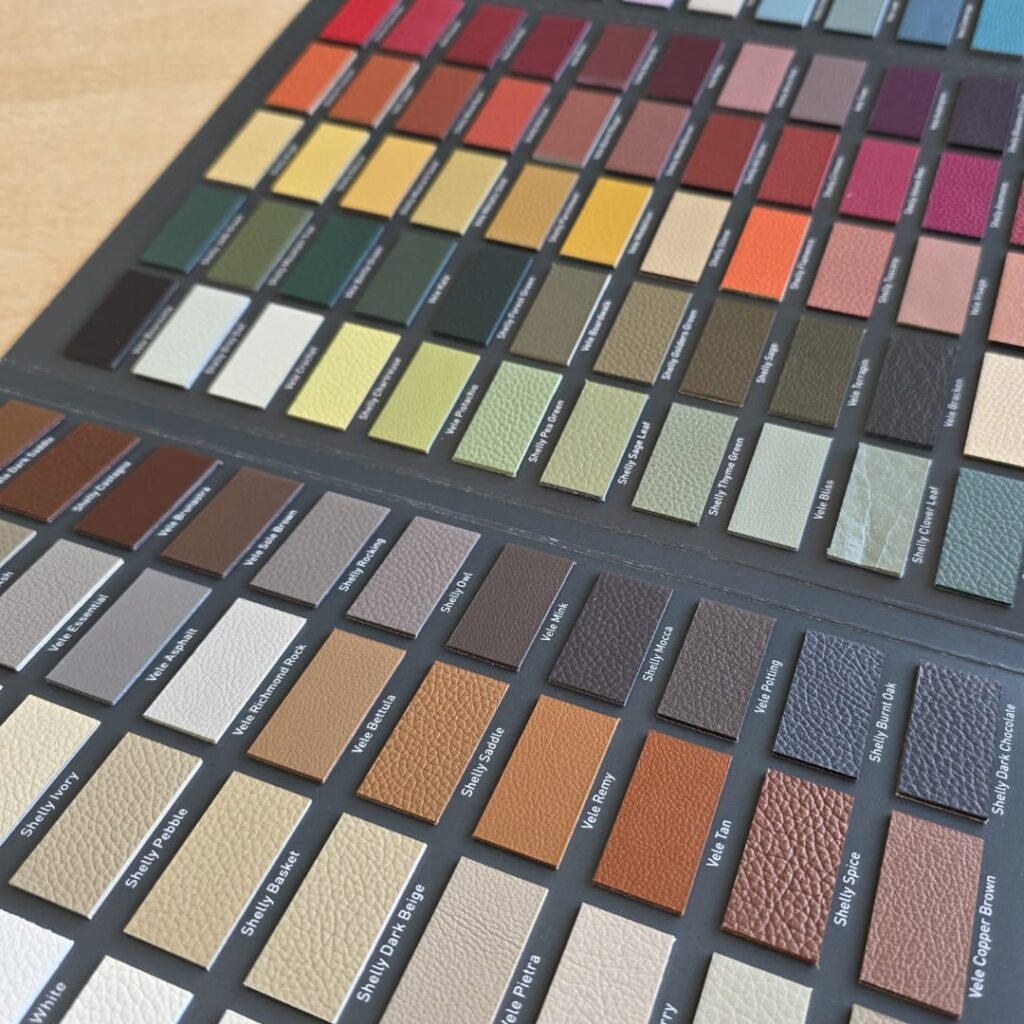
Once a build is agreed, the specification is confirmed, including the layout, colours, equipment and any additional options required.
For a standard RS Motorhome, this follows a more streamlined process. Bespoke builds allow for greater personalisation around the customer’s requirements.
2. Design
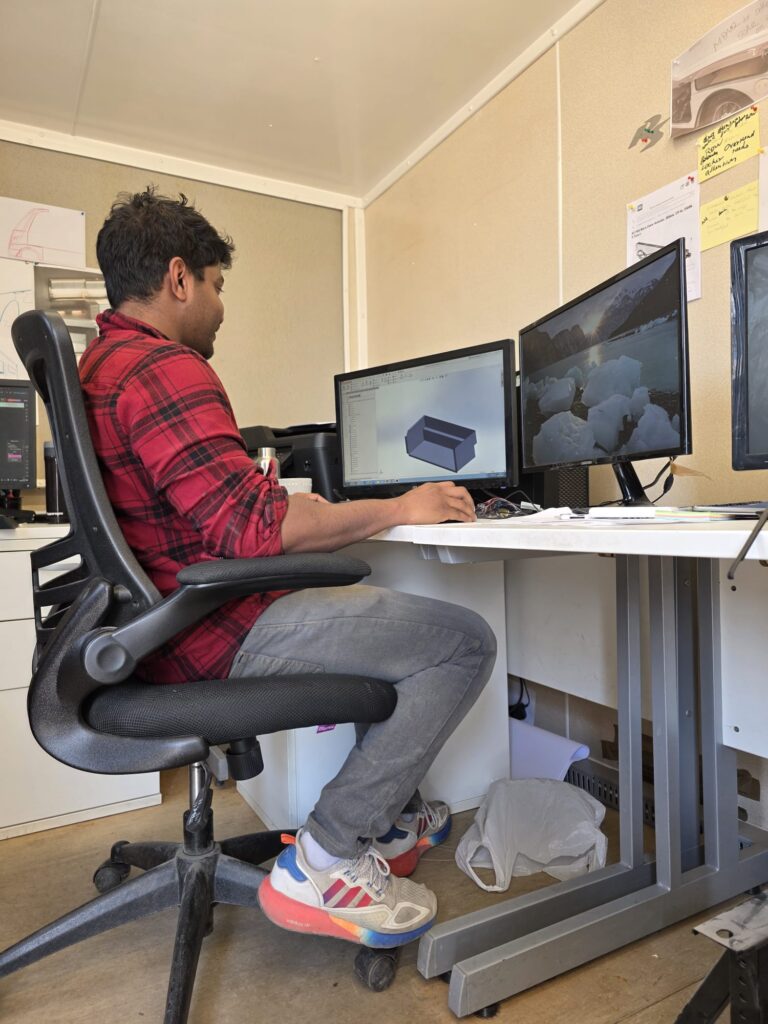
Once the specification is confirmed, the motorhome moves into the design stage.
The team works through the agreed specification and designs the motorhome around the requirements of the build.
This is where the details begin to come together, from the overall layout through to the components and finishes that will eventually make up the finished vehicle.
3. Pre-manufacture
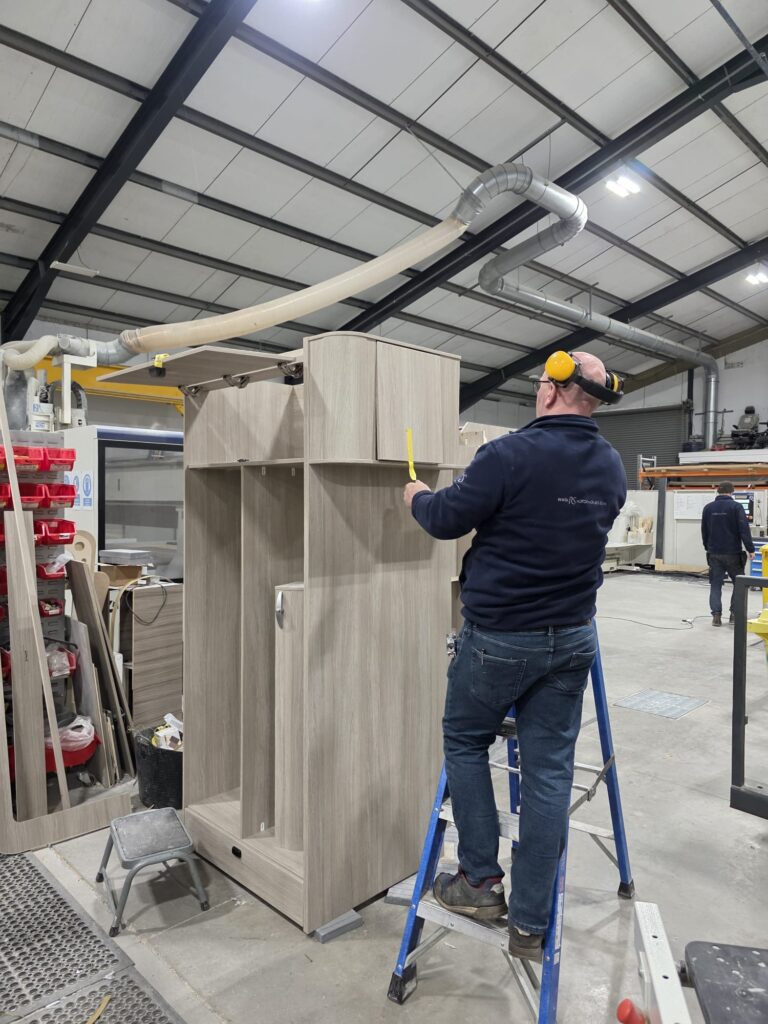
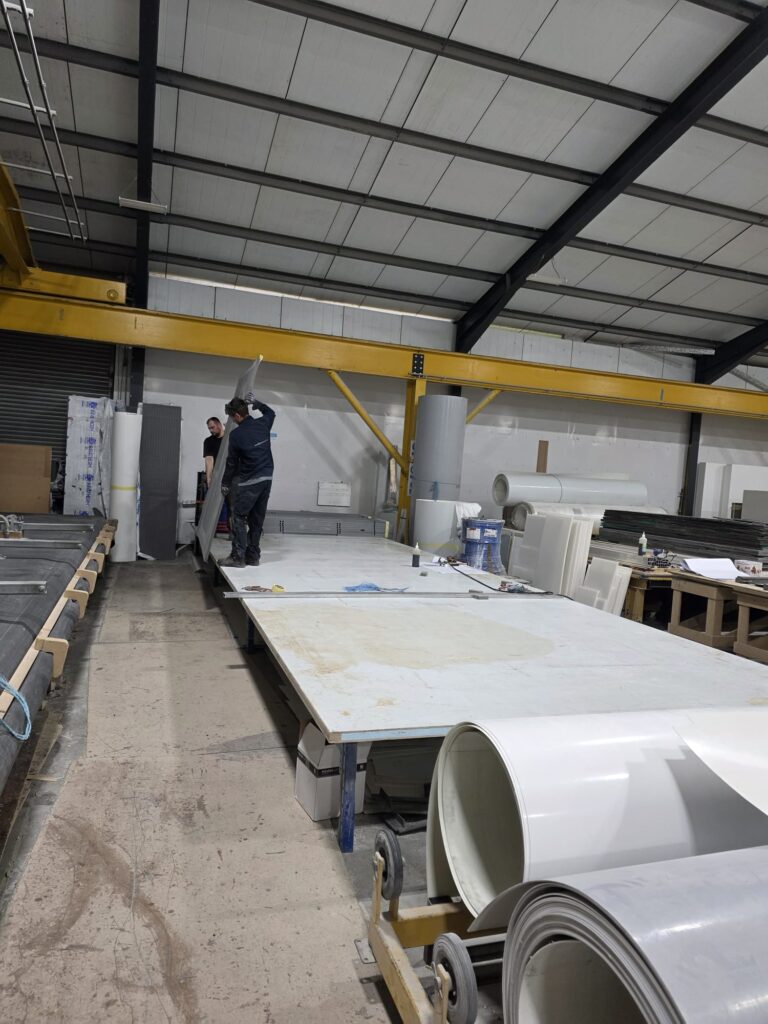
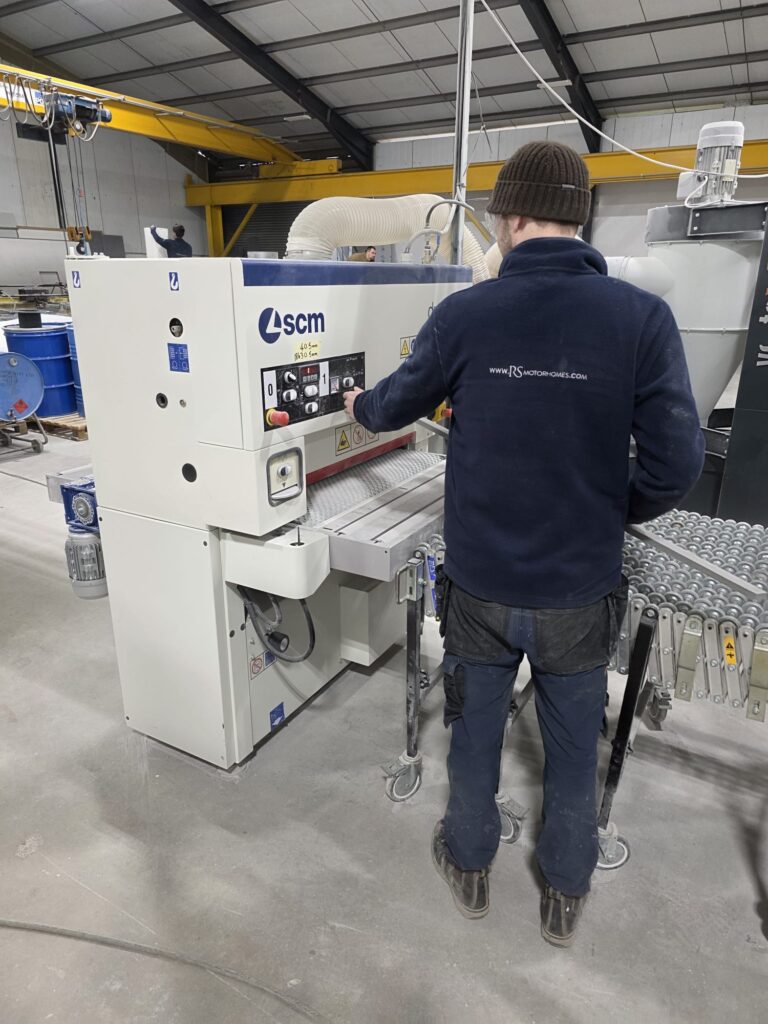
Before assembly begins, many of the individual components are manufactured at RS.
This includes:
- Panel production
- Furniture production
- Fibreglass components
- All laser coats and manufacturer parts
- Other components required for the build
RS uses composite sandwich construction for its motorhome bodies.
The GRP arrives in rolls before being placed into panel press. The panels are then CNC machined to create the required openings for doors, windows and other components.
The result is a series of accurately manufactured panels ready for assembly.
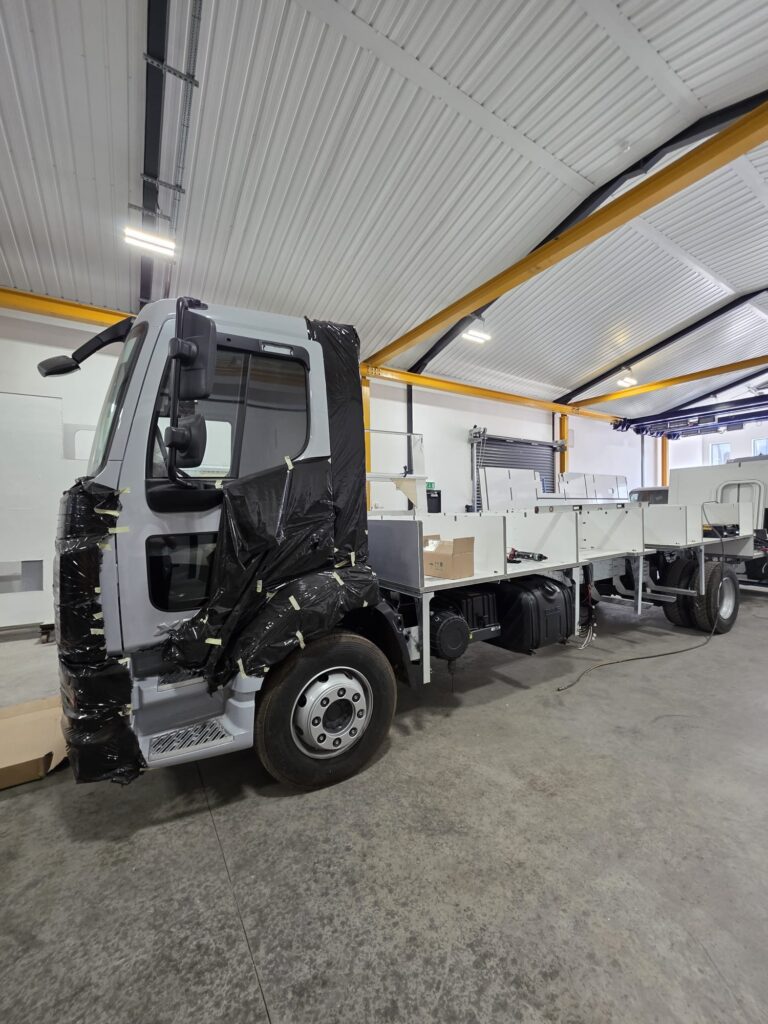
4. Preparing the Chassis
When the chassis arrives at RS, it is checked first to make sure everything is working correctly.
Necessary parts are then stripped from the chassis where required before the assembly process begins.
The chassis is the foundation of the finished motorhome, so getting this stage right is essential before the body and interior can be built around it.
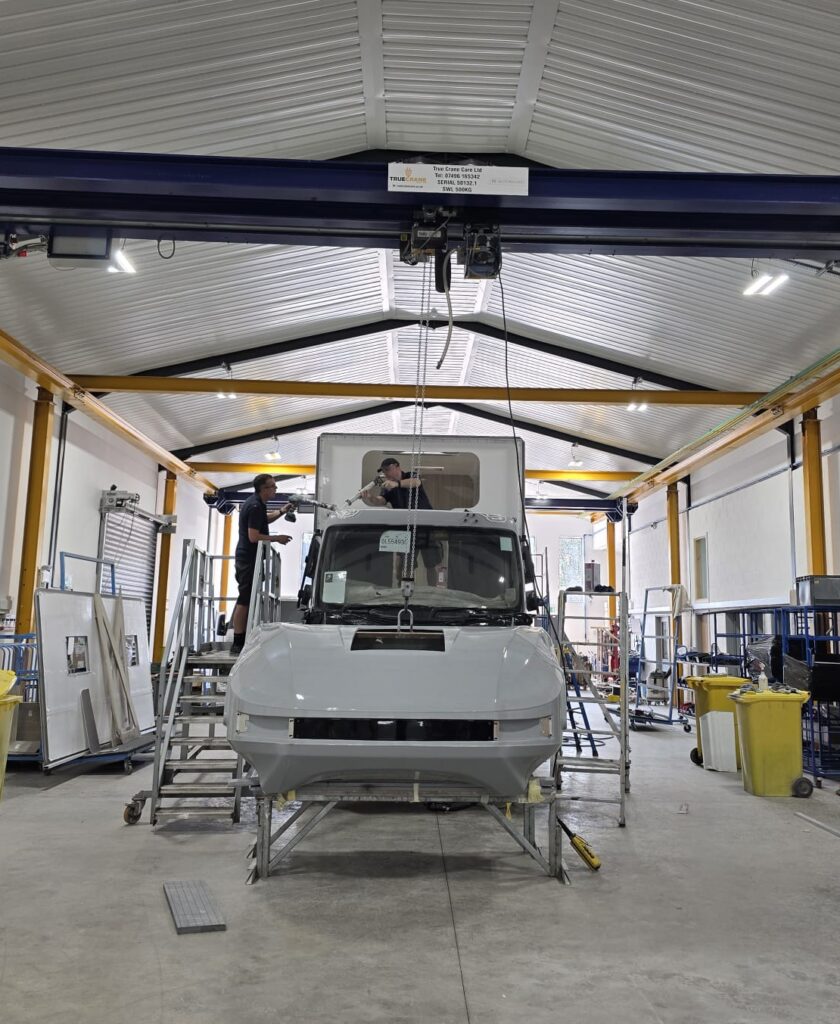
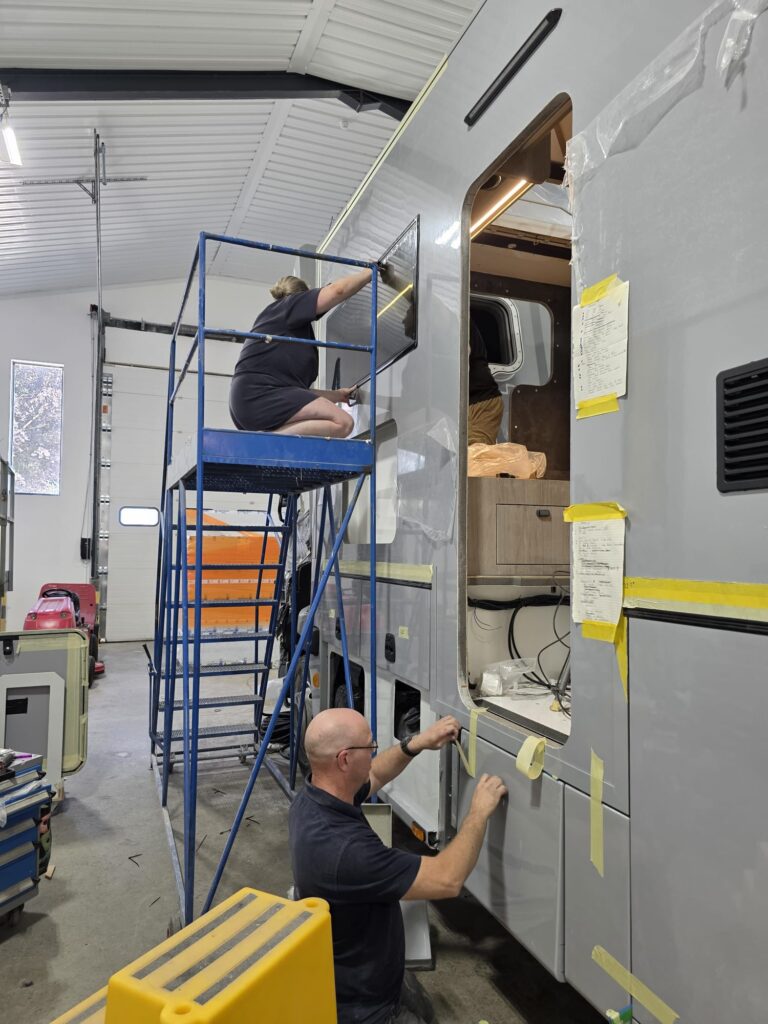
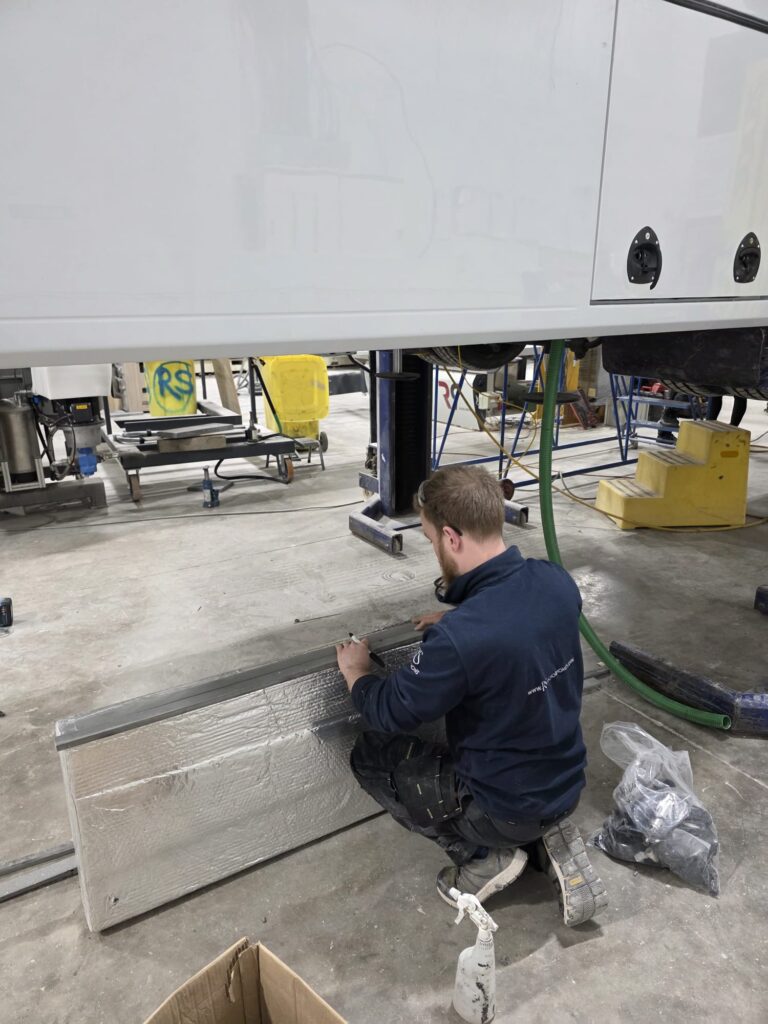
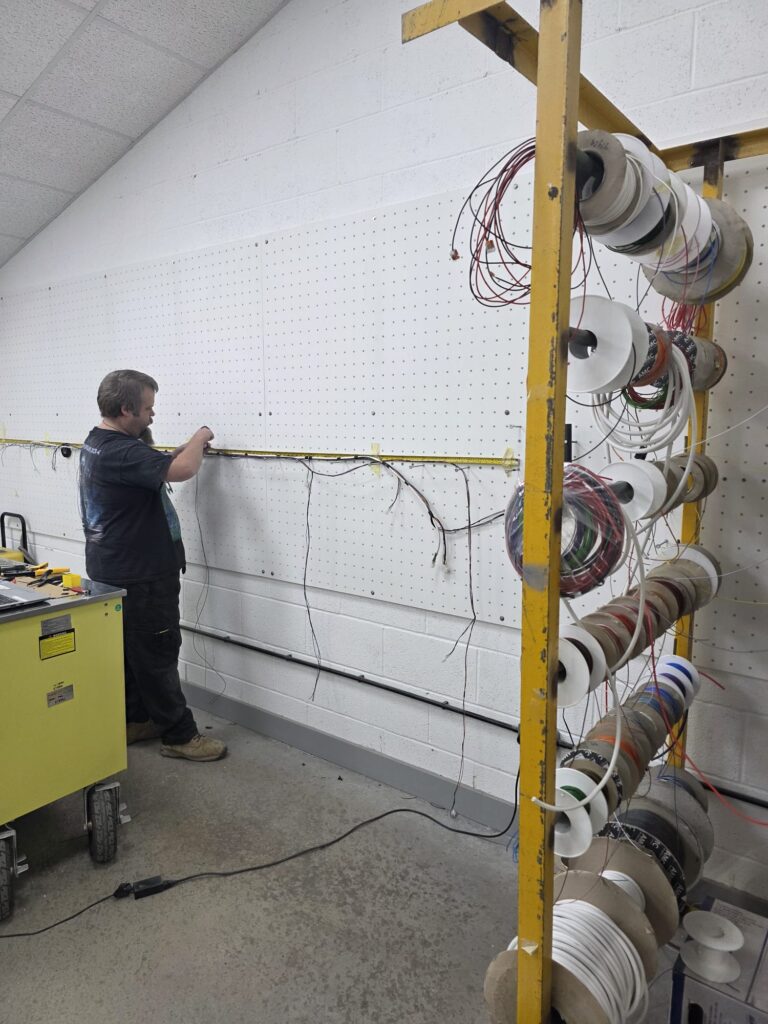
5. Assembly Begins
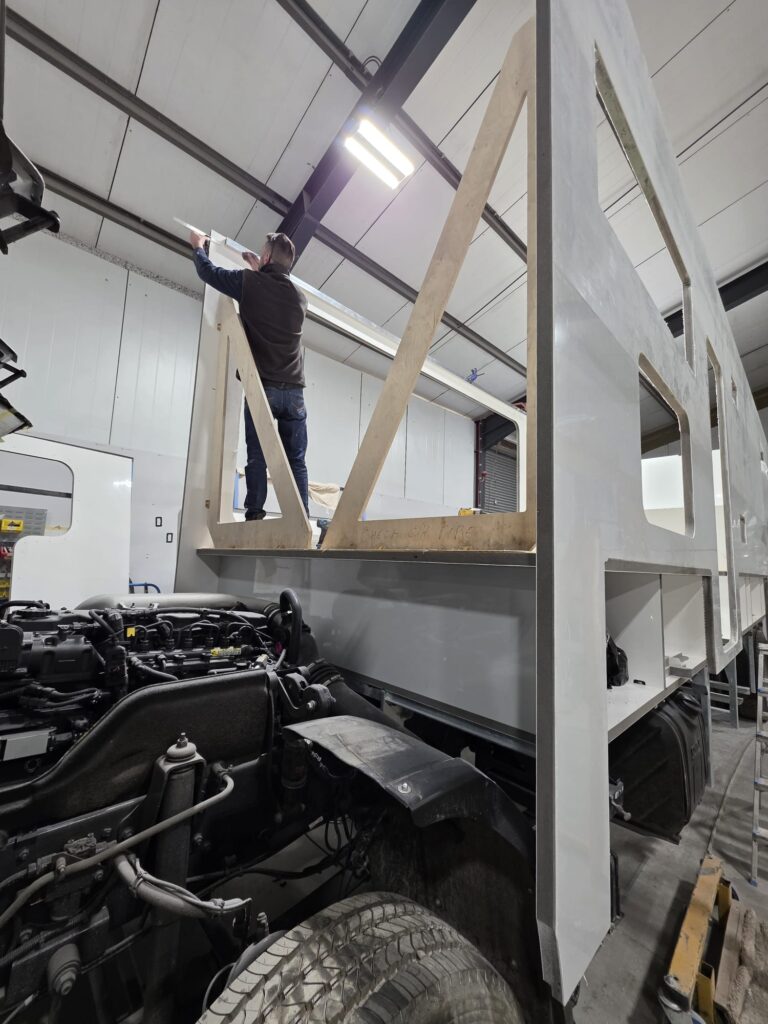
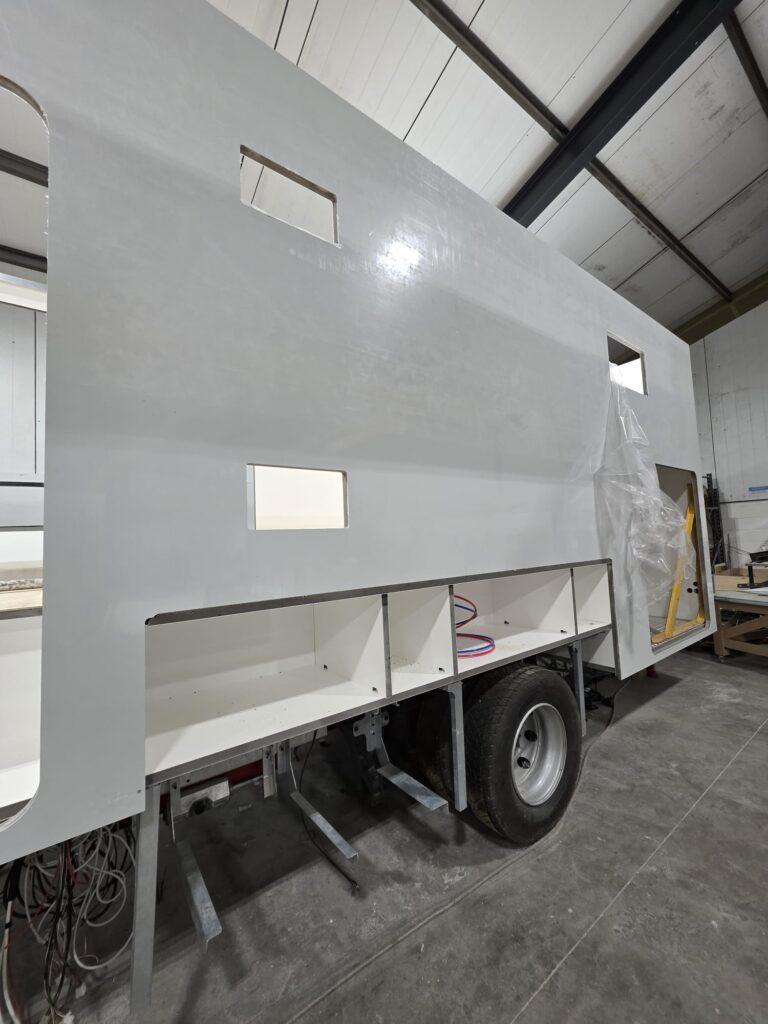
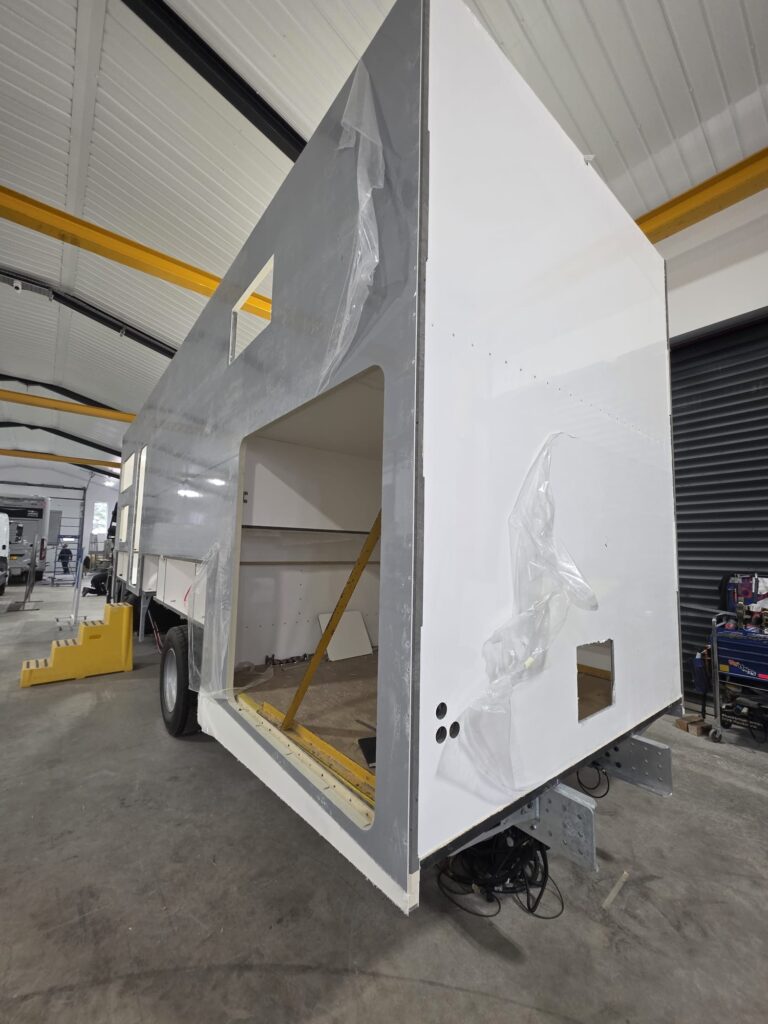
This is where the individual elements start becoming an RS Motorhome.
The assembly process includes several stages.
Loom Assembly
The wiring loom is assembled as part of the build, with electrical systems integrated throughout the manufacturing process.
Chassis & Body Fit
The main structure is then brought together, including:
- Double floor
- Pod
- Side panels
- Roof
- Rear section
Exterior Fit
Once the main body is taking shape, the exterior components are fitted.
Interior Fit
The interior is installed alongside the exterior and electrical fit out, including the furniture and other components that create the living space.
Electrical Fit
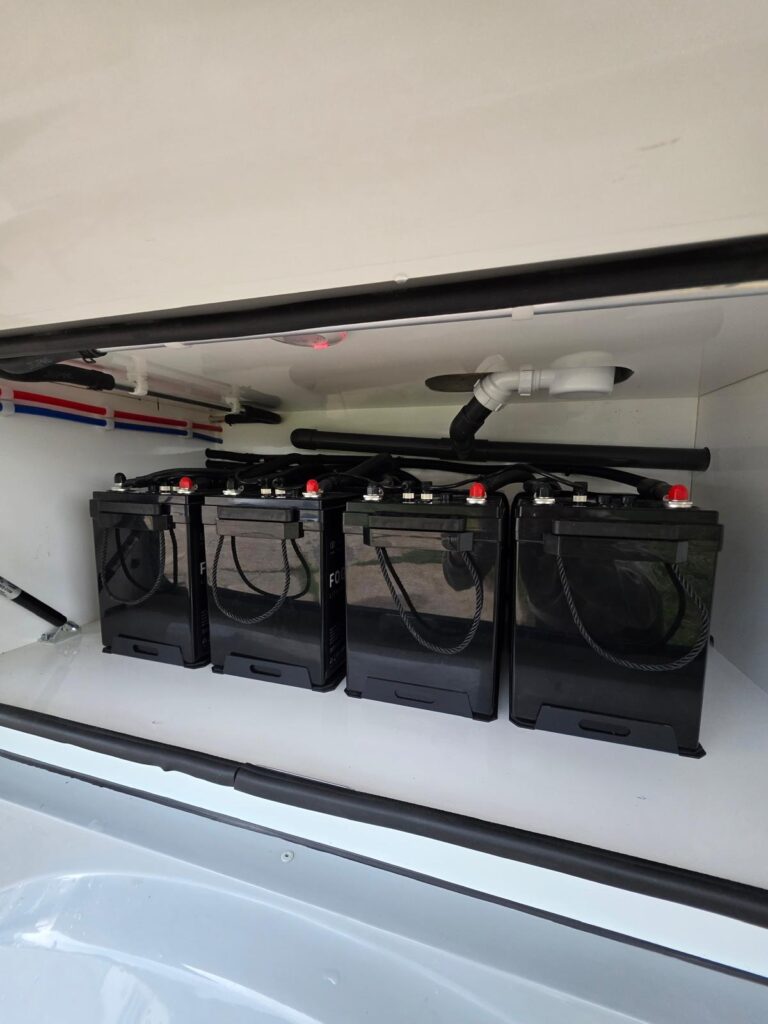
Electrical systems are integrated throughout the build rather than being added as a final stage.
Plumbing and other systems are also incorporated throughout the manufacturing and assembly process.
6. Quality Control Throughout the Build
Quality control isn’t left until the motorhome is finished.
Checks take place throughout the manufacturing and assembly process.
The team checks the specification, confirms that the correct parts have been ordered and paid for, and checks that components supplied for the build are working correctly.
This ongoing approach means the motorhome is being checked as it progresses through each stage rather than waiting until the very end.
7. Final Chassis Checks & IVA
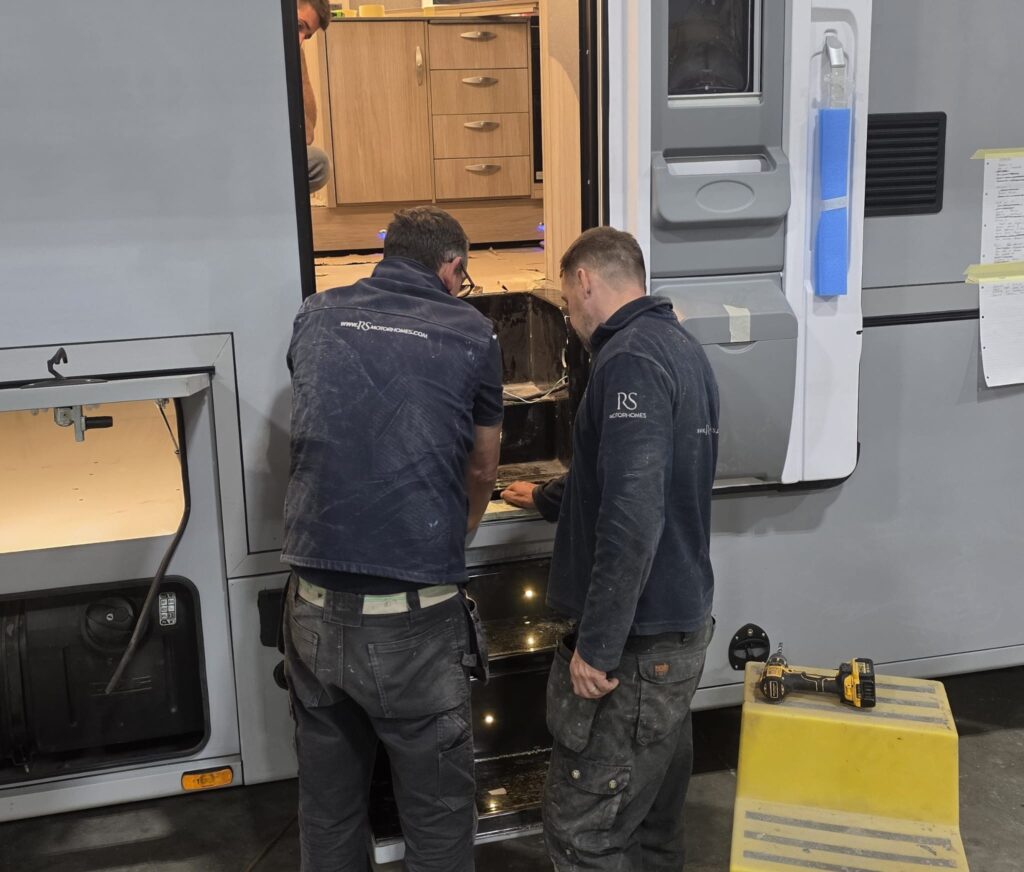
Once the main build is complete, the vehicle goes back to the chassis supplier for pre-delivery checks on the chassis.
It then goes through its Individual Vehicle Approval (IVA) process. This is an extensive inspection carried out under the Driver and Vehicle Standards Agency (DVSA), designed to ensure the completed vehicle meets the required safety, technical, environmental and legal standards before it can be approved for road use.
For RS, this is an important stage of the build, providing another level of scrutiny before the finished motorhome moves towards its final preparation and handover.
8. Final valet, testing & marketing
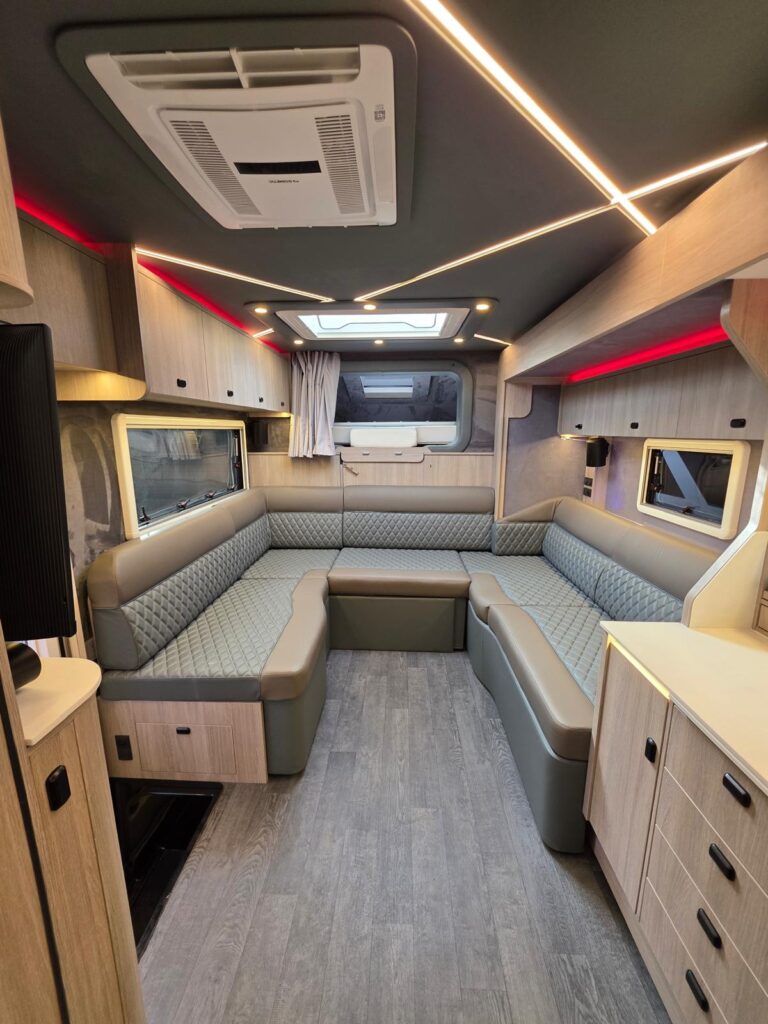
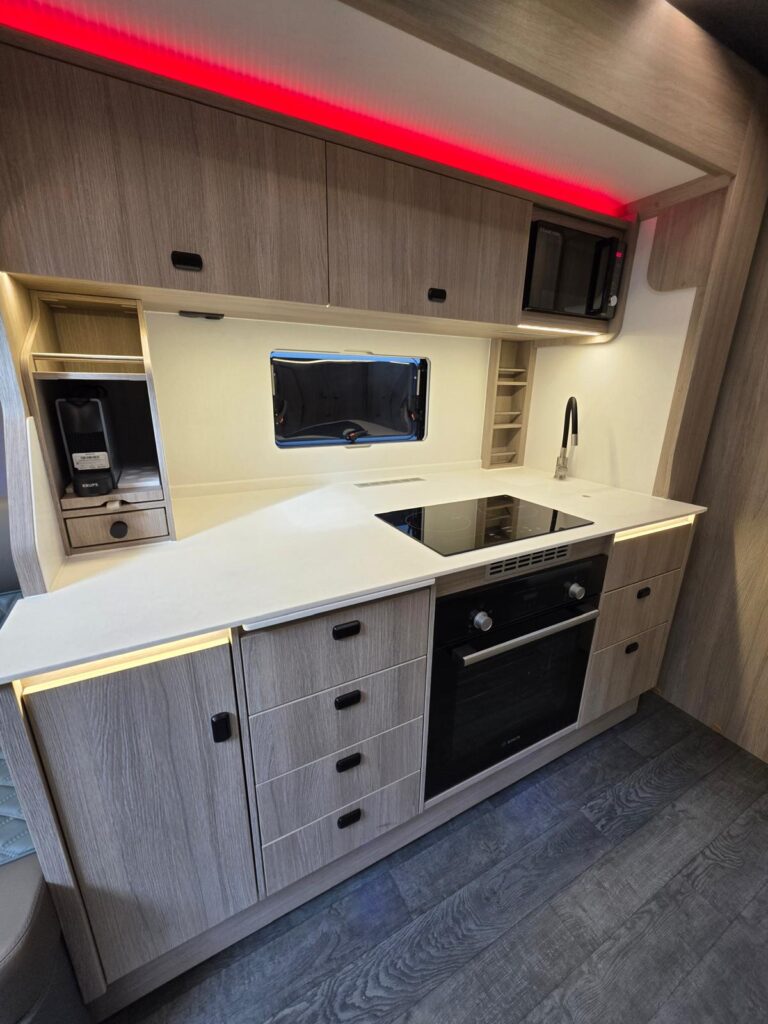
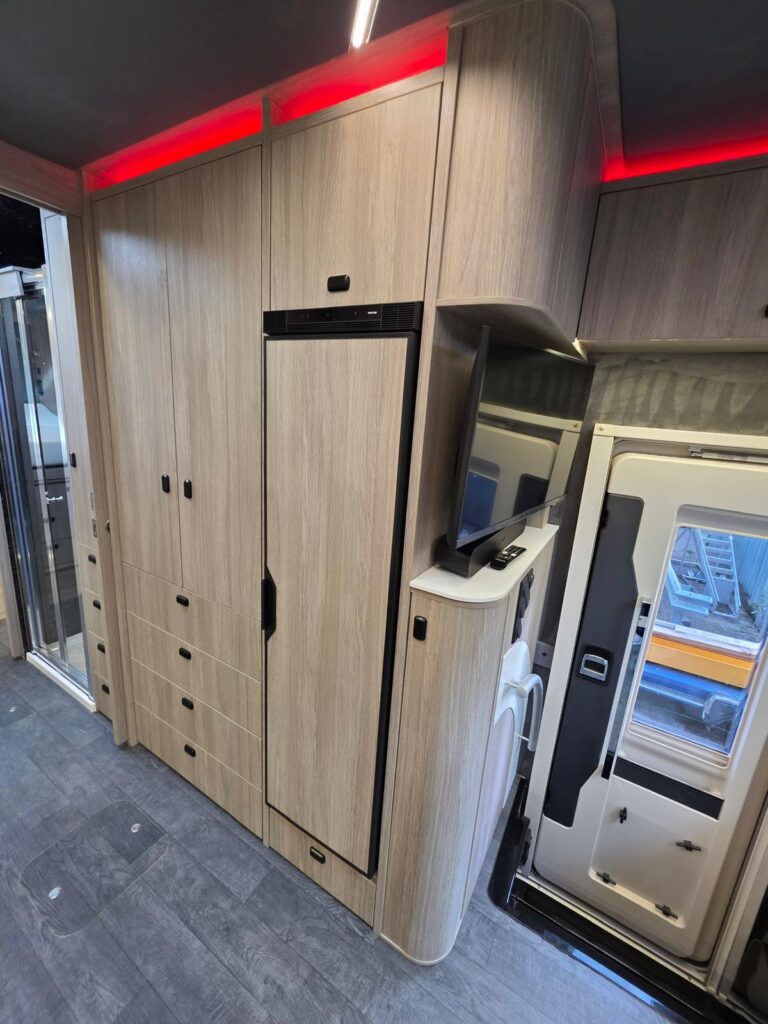
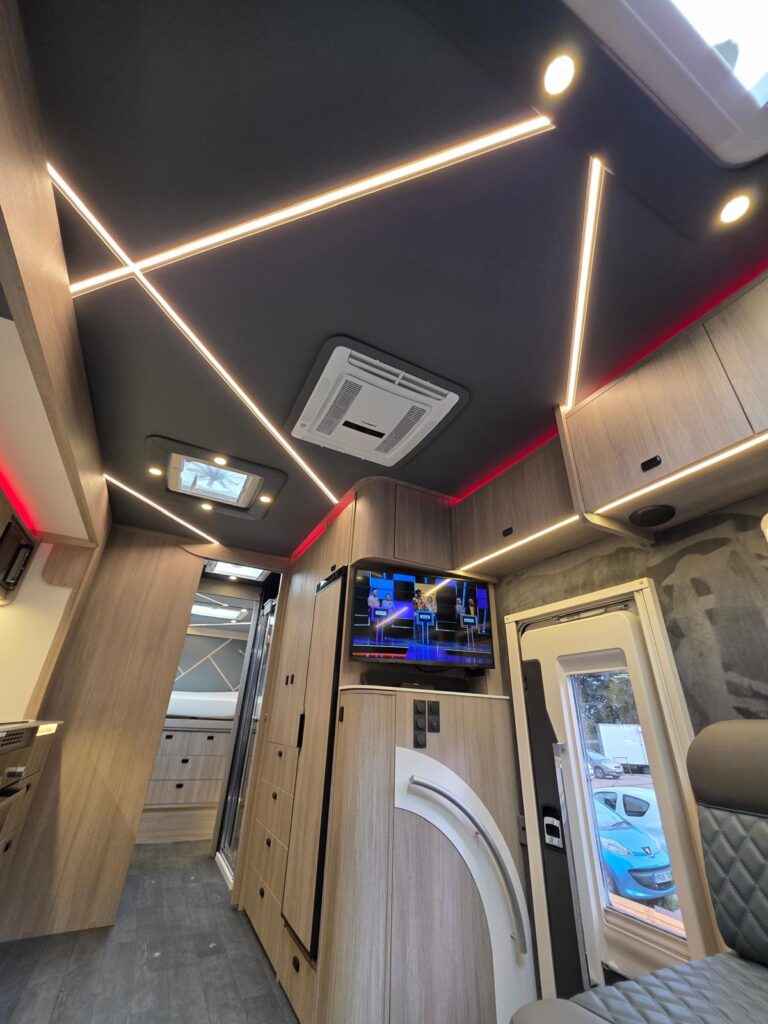
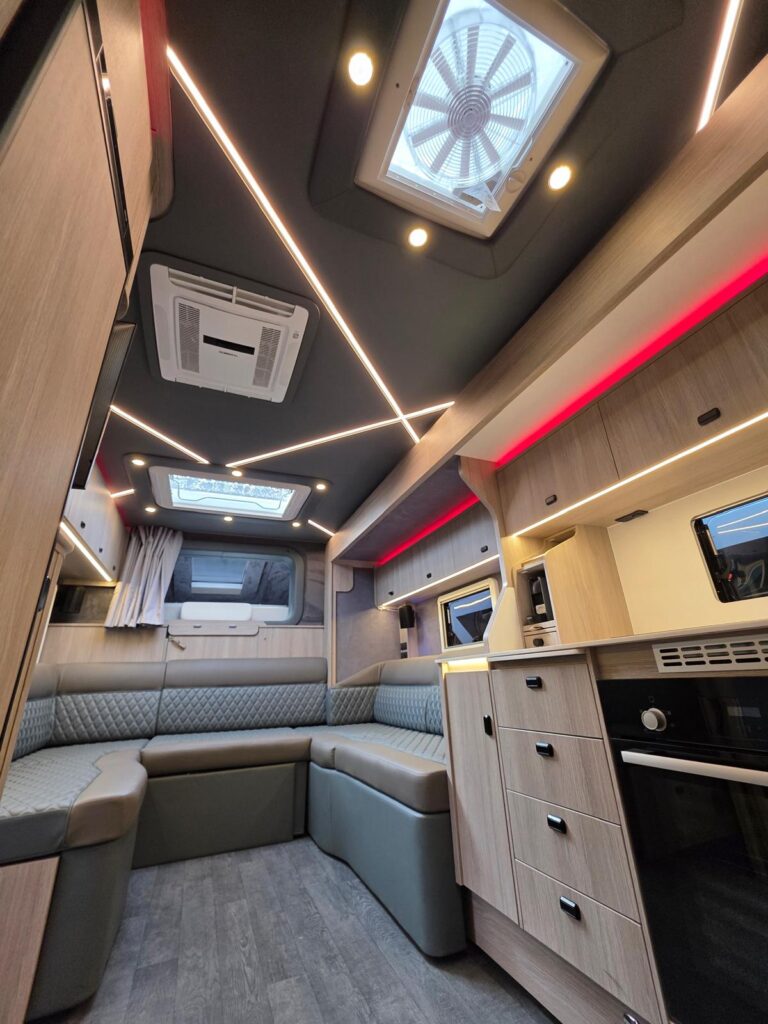
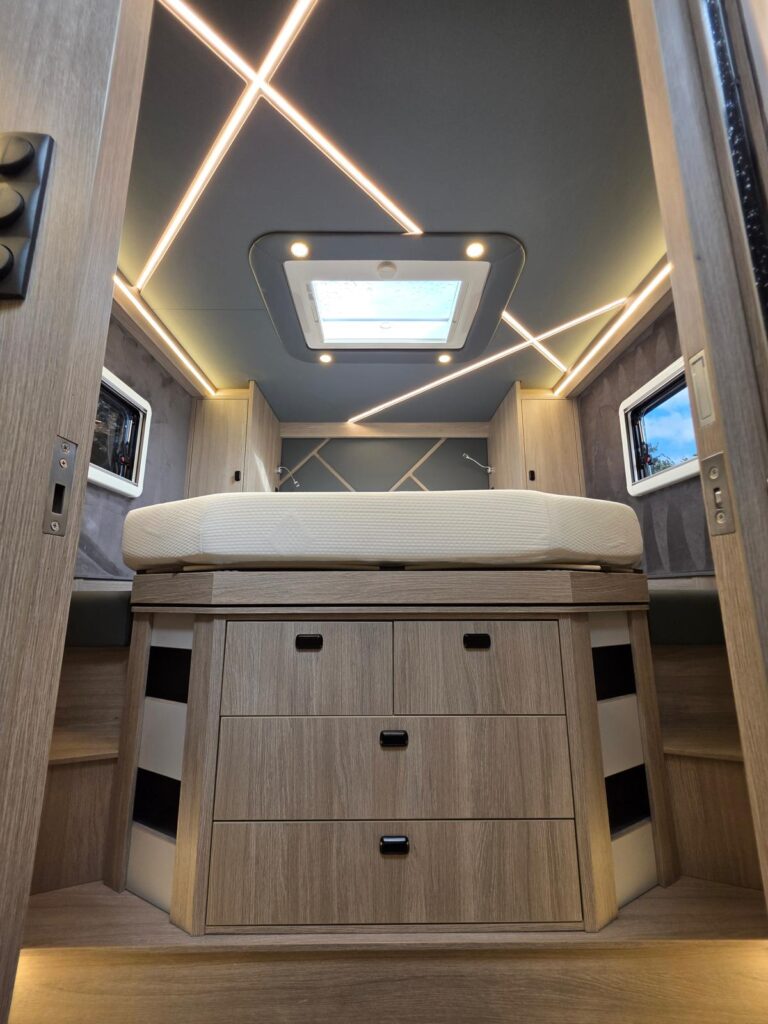
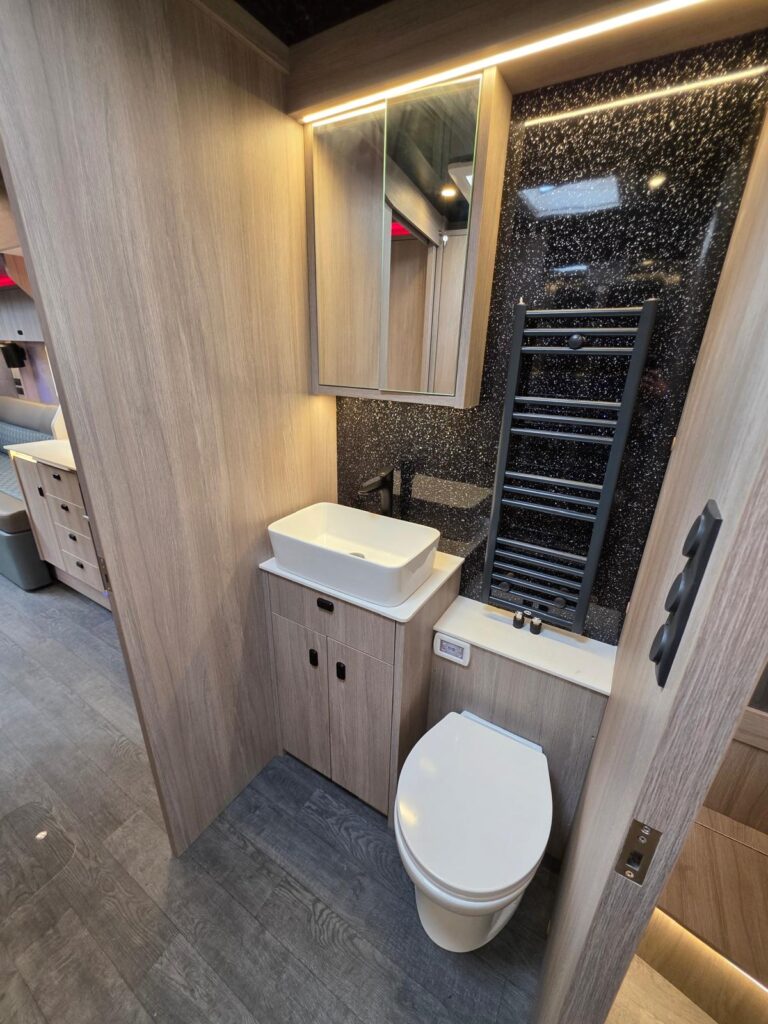
Once the build has passed its checks, the finished motorhome receives a meticulous final valet, both inside and out, bringing together the quality and finish of the completed vehicle.
Then the RS stickers and branding are carefully applied, giving the motorhome its distinctive RS identity.
Before it is photographed and filmed for marketing, the motorhome is parked up for a couple of days for a final period of testing. During this time, the team runs through the key systems, including the heating, electrical and water systems, checking that everything is operating as it should.
This final testing period allows the motorhome to be assessed as a complete vehicle and gives the team the opportunity to identify and address anything that may require attention before it reaches the customer.
Only once these final checks are complete is the motorhome photographed and filmed for marketing, capturing the finished RS in all its detail before it leaves for its long journey ahead to many destinations.
How long does it take to build an RS Motorhome?
The timescale varies depending on the vehicle and specification, but a typical build involves approximately:
4 weeks of pre-production
followed by
6 weeks of build time
Larger and more complex RS models can involve considerably more engineering and work.
The Elysian, for example, involves a more extensive process, including an RS designed and manufactured windscreen specifically created for the model.
The Evolution and Envoy also involve additional work due to their larger size and increased complexity.
How much can you personalise?
An RS model already come with a high level of specification as standard, giving customers a luxurious, well-equipped motorhome from the outset. The standard specification is designed to offer comfort, practicality and quality without needing to add a long list of extras.
From there, customers can personalise their RS depending on the type of build, their requirements and their budget.
With a standard RS, customers can choose from options such as:
- Layouts
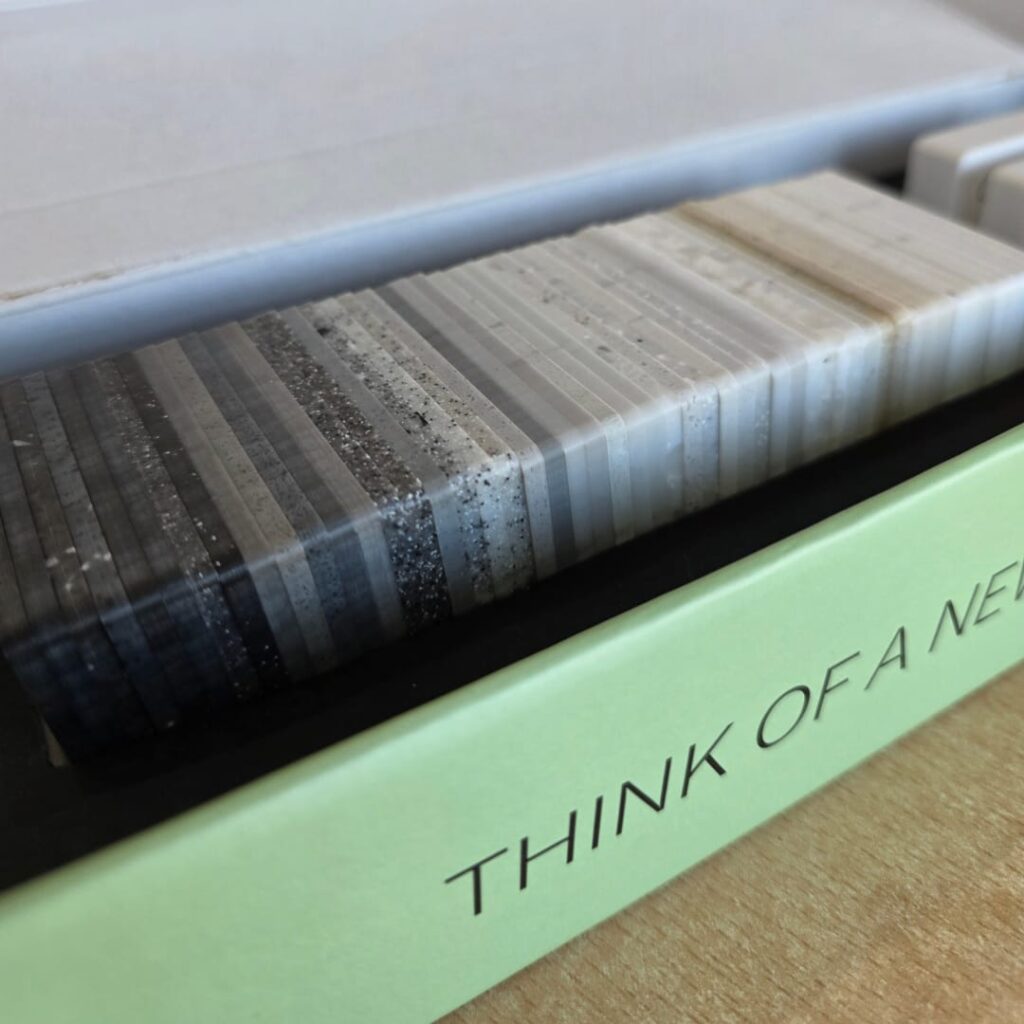
- Colours and finishes
- Media packages
- Sport packages
- Additional extras
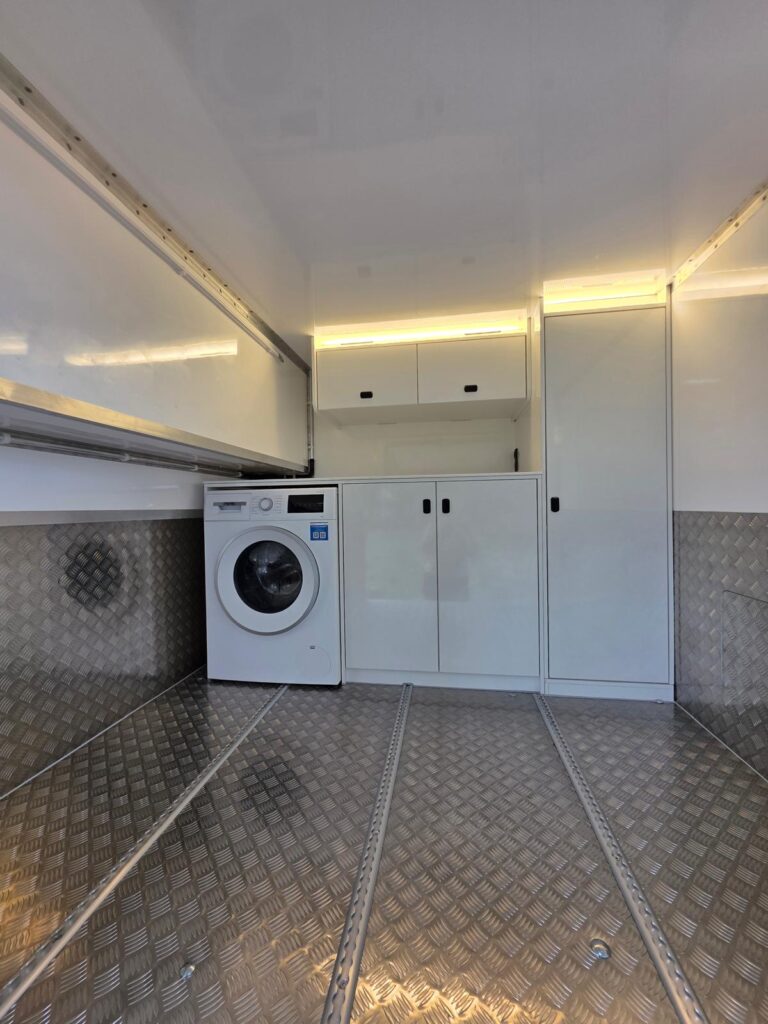
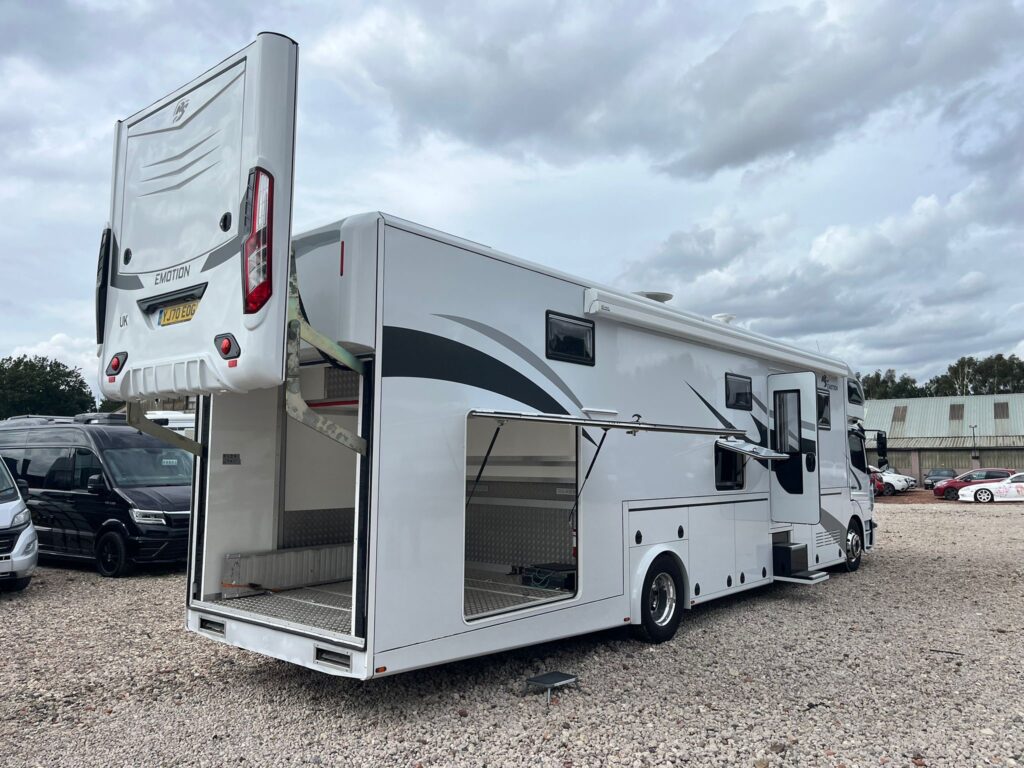
For customers looking for something more specific, bespoke builds allow RS to work around individual requirements and how the motorhome will be used. This can include accessibility modifications, alternative layouts, larger garages and other tailored features.
For those carrying larger equipment, the garage can also be designed around specific requirements, whether that’s for cars, jet skis, quads, scooters or motorbikes.
Built in house at RS
One of the defining parts of the RS build process is how much is carried out in house.
Almost everything involved in building an RS Motorhome is manufactured and fitted by the RS team. The main exception is the leather upholstery, which is produced externally.
From the composite panels and furniture through to assembly, fit out, keeping the process in house gives RS control over the build from start to finish.
From Chassis to Finished RS
Building an RS Motorhome involves far more than simply putting a body onto a chassis.
From the initial customer specification and design, through panel and furniture production, assembly, electrical and plumbing integration, quality checks and final preparation, every stage contributes to the finished vehicle.
And while every RS follows the same overall journey, the process can vary considerably depending on the model, specification and how the customer intends to use it.
That’s what makes each RS more than just a motorhome. It’s vehicle built around how its owner wants to travel.
Want to find out more about RS Motorhomes?
If you’re considering a new motorhome and want to understand more about the build process, specification or available options, speak to our team.
📞 01302 741710
📧 reception@rsmotorhomes.com
Or visit us at RS Motorhomes in Doncaster.


